
Author: Hussain Ebrahim
#Open call article 1: This blog is part of an ‘open call’ to researchers, students or anyone interested in ethnobotany to write an article for the SEB student blog. Here’s the first article as part of this series!
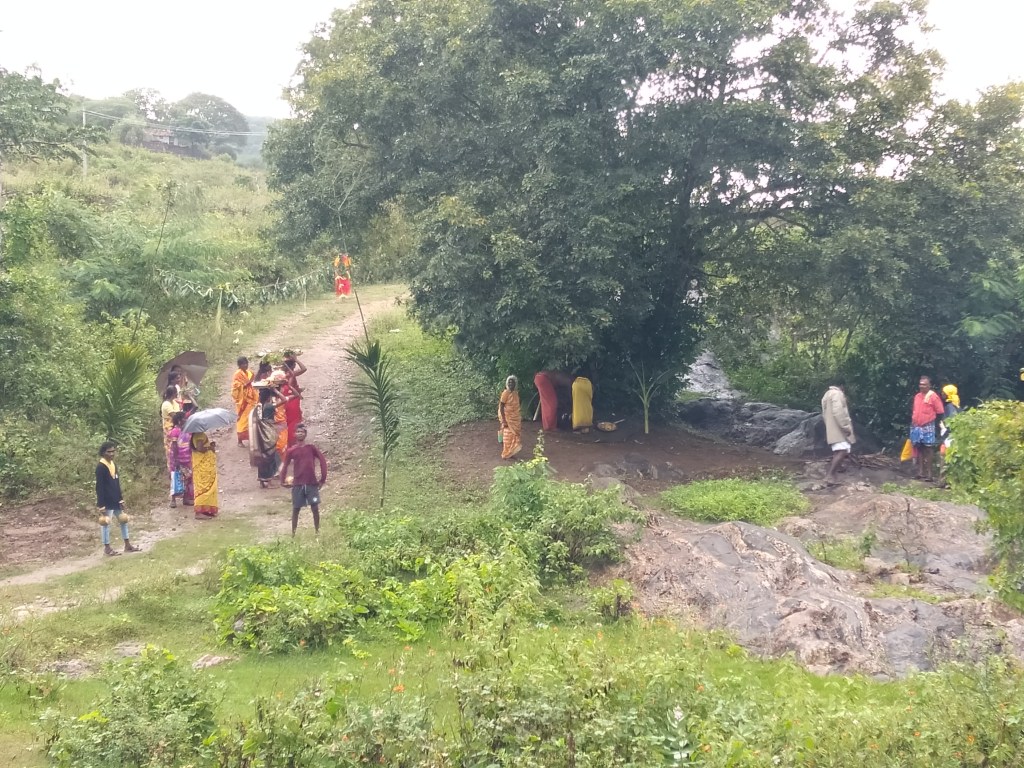
Foraging across the rural to urban landscapes involves migration of people, along with their skills and produce. This rehabilitation comes at the cost of dislocation of cultures, loss of linguistics and deterioration of family essence. Broken families are forced to sell adulterated honey at higher prices, or weave baskets from Lantana (Lantana camara L.) to meet urban elite fashion standards. This upskilling of means of harvesting and processing goods, be it lantana or honey, is met with ecological imbalance as well as a loss of traditional wisdom in trusting local ecological design.
Bees are now farmed in wooden crates and fed glucose to start the process of making hives of honey. Queens are captured and raised as ecosystem service providers, and the colony is controlled by humans. Their migration and size, all a factor of the carrying capacity of the box of frames of wood.
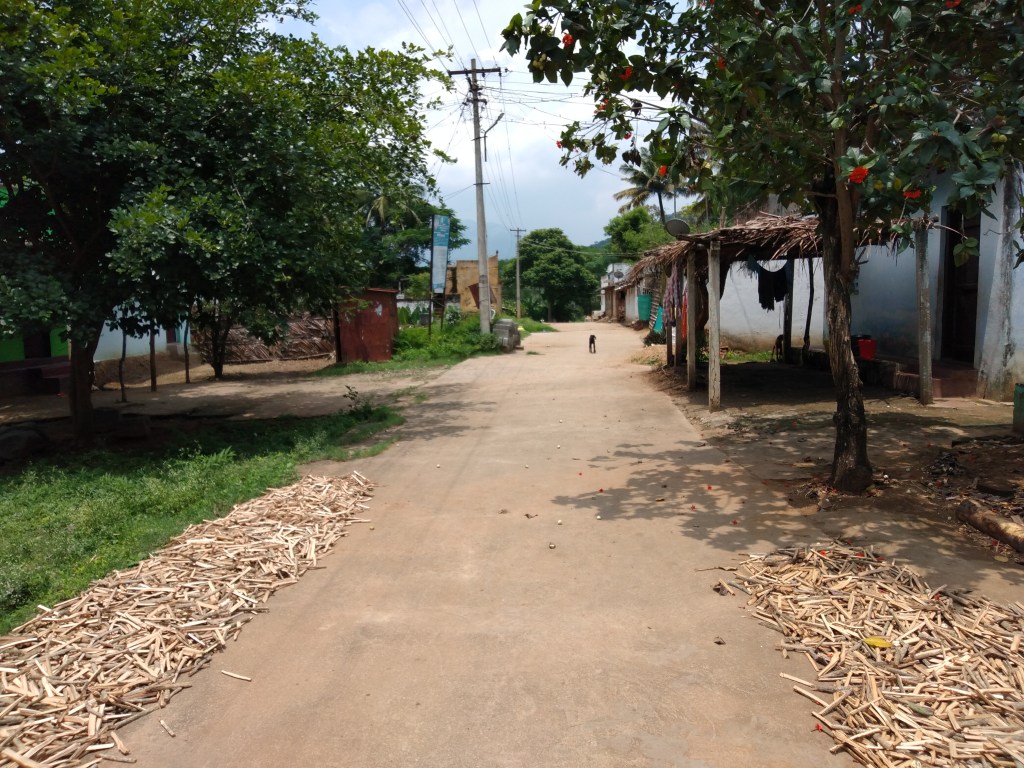
Even in the case of cane or bamboo furniture, lantana being a secondary substitute to the choices of the urban elite – it continues to invade forests and cause a decline in local biodiversity. The costs of transporting lantana from forested lands to urban conglomerates is heavy on tolls and truck owners. With forest vigilance and endless permissions, only skills find a way into towns and cities.
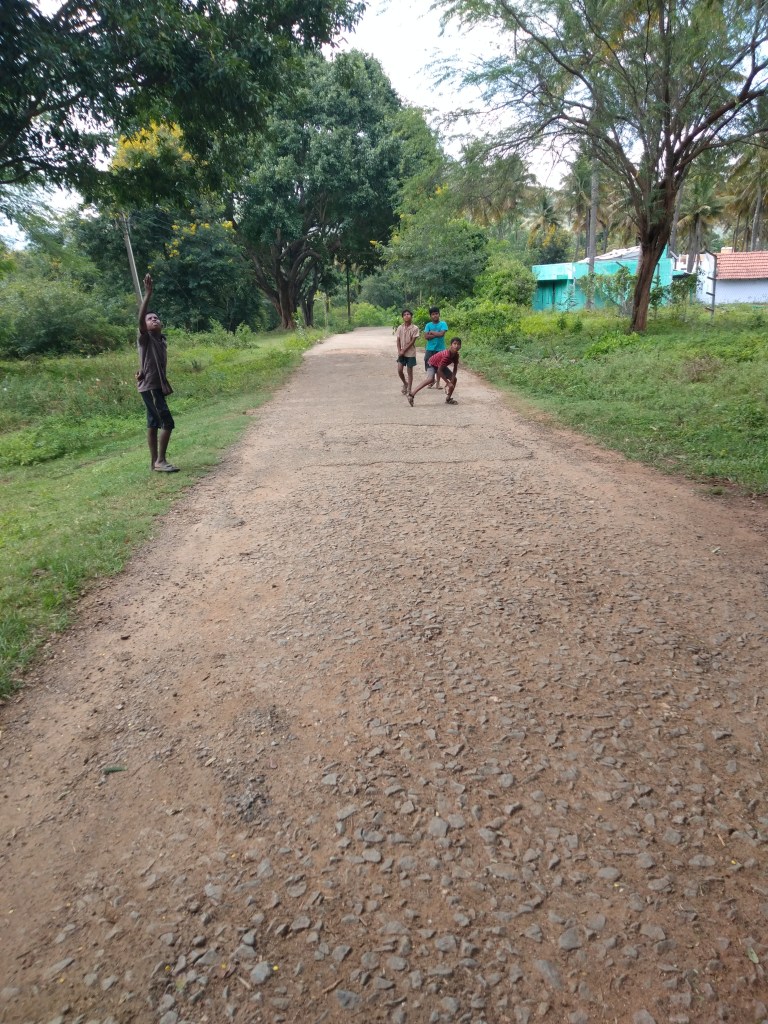
We witness sugar syrup sold as honey on urban streets by migrants who claim to be of tribal origin. We see palm jaggery shipped to metrocities in the name of organic produce. We claim to embrace this migrant population and aid their sale of produce in towns and two-tier metropolitans. But we fail to see the substandardization of especially food based goods in larger city economies. And with migration, the inequities of a right to a basic standard of living etc. are all compromised by the willing and forced members who choose to relocate
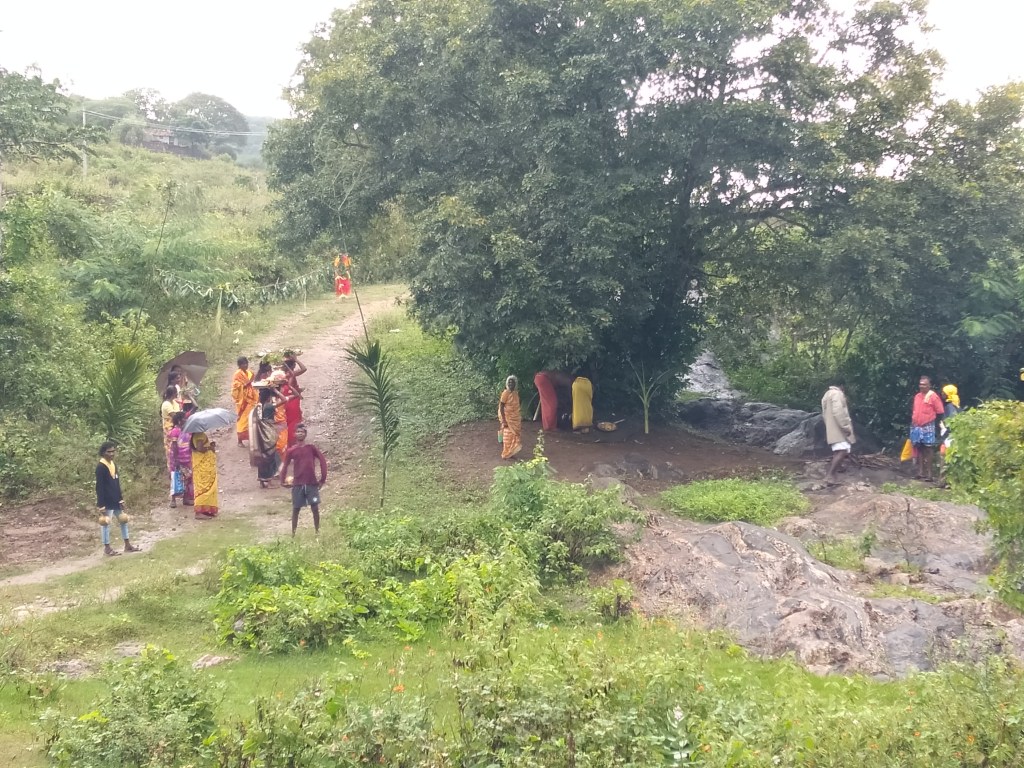
While forest boundaries organically merge into multilingual and cross-cultural hotspots of exchange and harmonious living, a social capital is deprived when migrant families are vulnerable within city and town limits. Even periurban areas aren’t as welcoming of the migrant and marginalized. Hence it is essential that they be empowered to manage their natural capital in their homeland, and strengthen cultural capital and identity while amidst members of their clan.
Author bio:
Hussain Ebrahim is an independent researcher, educator of alternate schooling, and a recent PhD scholar at the University of TransDisciplinary Health Sciences and Technology (TDU – Yelahanka, Bangalore, Karnataka, India). His recent interests in research include eco-centric learning amidst children from tribal families, documenting via oral histories and folklore – community conservation initiatives in reviving sustainable livelihoods that are dependent on the effective management of locally existing natural capital. He is also pursuing findings on the role that plant-derived medicine plays in healthcare of Adivasis amidst forested landscapes, in the hope of preserving aboriginal customary practices.
Email: hussaineh89@gmail.com
Open call: If you also want to contribute an article to the SEB student blog, go ahead and send your plant story to Nishanth Gurav, email: gurav@ftz.czu.cz
Minimum: 500 words, maximum: 2000 words (including pictures) including title and article
 Society for Ethnobotany // Student Blog
Leave a comment