
In this blog, Aishwarya Chaure, Ph.D., takes us on a journey exploring the world of vapors from medicinal plants
Several traditional medical systems document not only medicinal plants, but also the specific ways in which they are prepared and administered. An important principle shared across these traditions is that the effectiveness of a medicinal plant often depends as much on the route of administration as on the plant itself. In Ayurveda, this principle is articulated with clarity and sophistication. Medicinal plants are employed in both crude and processed forms and transformed into a variety of classical preparations, including Swarasa, the expressed fresh juice; Kalka, a finely ground paste prepared from fresh or rehydrated plant material; Kwātha, a concentrated decoction; Śīta or Hima, a cold aqueous infusion; and Phāṇṭa, a hot water infusion. Each form is selected to extract specific phytochemical profiles and to modulate the strength, speed, and direction of therapeutic action.
However, these formulations acquire their full therapeutic meaning only when considered alongside the pathways through which they are delivered. The choice of route determines not only where a medicine acts, but how rapidly it reaches its target and how precisely its effects are localized. While oral consumption and topical applications are the standard focus of many medical traditions, one frequently underestimated pathway is inhalation. Across cultures, rituals of fumigation, incense burning, and aromatic steam baths are more than just ceremony; they reflect a sophisticated understanding of the human respiratory system as a direct pathway to the lungs, sinuses, and nervous system.
In Ayurveda, this concept is described with remarkable systemic detail. Classical texts document the nasal passage as a preferred route of therapy, particularly for disorders of the head and chest. The Charaka Samhita states this principle with a simplicity that has endured for centuries:
नस्तकर्म च कुर्वीत शिरोरोगेषु शास्त्रवित्। द्वारं हि शिरसो नासा तेन तद् व्याप्य हन्ति तान्॥८८॥
“The nose is the gateway of the head. An expert Ayurveda Physician should administer the medicine as the nasta-karma (nasya) for head and neck disorders.” — CHARAKA SIDDHI STHANA 9/88
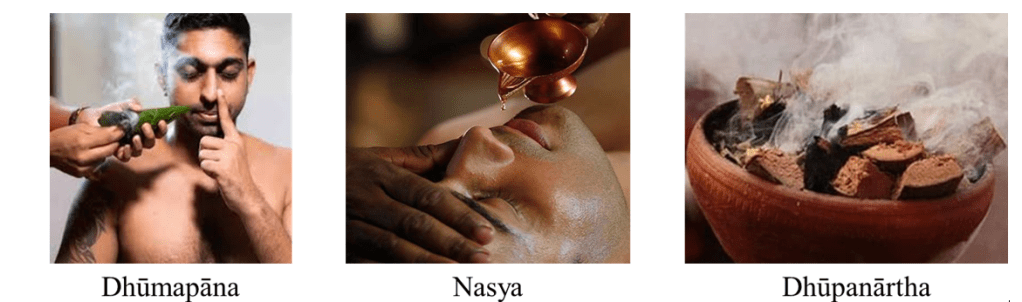
Ayurveda also documents several procedures through which these vapours are administered, including Dhūmapāna, a form of medicinal smoking or aerosol therapy; Nasya, the precise nasal administration of medicated oils or juices; and Dhūpanārtha, which involves herbal fumigation for both therapeutic and preventive purposes. These methods were not marginal curiosities. They were particularly chosen for their capacity to exploit the nasal route, circumvent gastrointestinal processing, and deliver active compounds to diseased tissues in a rapid and non-invasive manner.
What is striking is that these practices did not remain confined to texts. Ethnobotanical records from northeast India also document the inhalation of herbal vapours and smoke in the treatment of respiratory disease. In Manipur, steam from the leaves of Phlogacanthus thyrsiflorus is inhaled during pneumonia. Similarly, the stems of Clerodendrum indicum and Rotheca serrata are inhaled via smoke for the treatment of acute bronchitis.
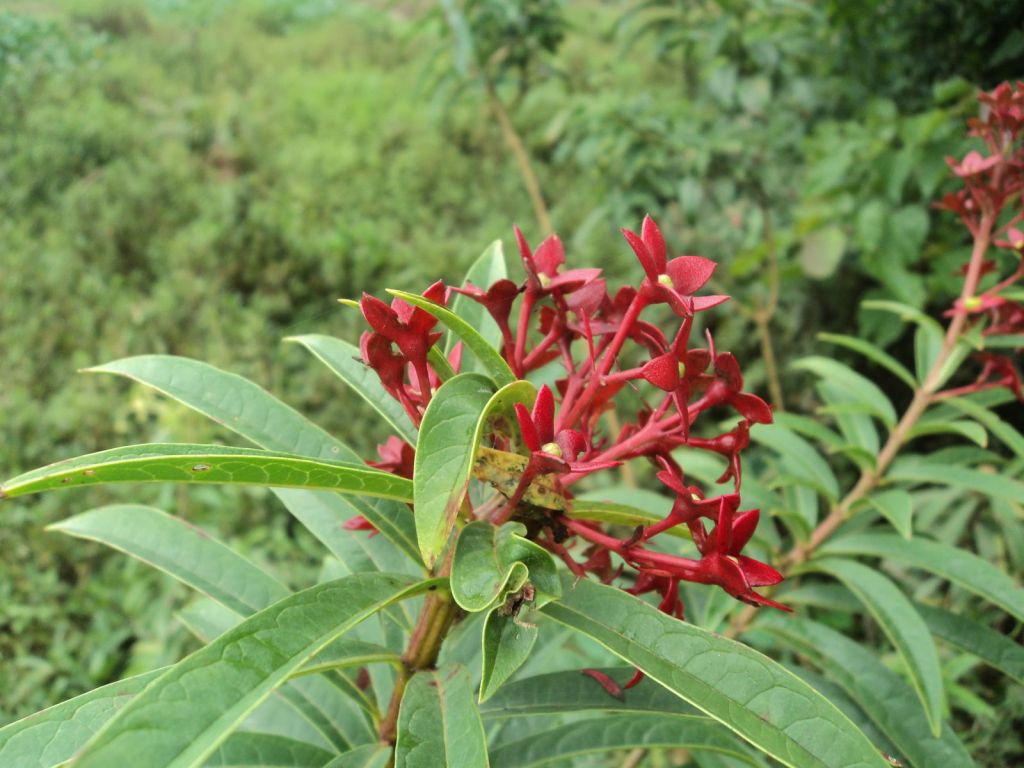
These examples formed the starting point for my own research into vapor-based plant remedies for pneumonia. Rather than seeking rare species, I turned to the plants already present in daily life. Household herbs and culinary spices offered a practical and culturally grounded place to begin. Several familiar genera were examined, including Cinnamomum camphora (L.) J.Presl, Cymbopogon citratus (DC.) Stapf, Eucalyptus globulus Labill., Ocimum gratissimum L. etc. While many showed activities of interest, one plant consistently exhibited the most potent vapour-based bioactivity against pathogens mainly responsible for causing pneumonia.

Trachyspermum ammi (Carom seeds or Ajwain)
Known primarily as a digestive aid for indigestion or infant colic, Ajwain is ubiquitous in Indian kitchens. However, when evaluated as a vapor-based remedy, it proved remarkably potent. The seeds contain high levels of thymol, a volatile compound with proven antimicrobial, broncho-dilatory, and anti-inflammatory properties. When heated, Ajwain seed releases dense aromatic vapors that penetrate the respiratory tract with ease. The beauty of Ajwain lies in its accessibility: it is inexpensive, widely cultivated, and culturally accepted with a pharmacological profile well suited to inhalational therapy.
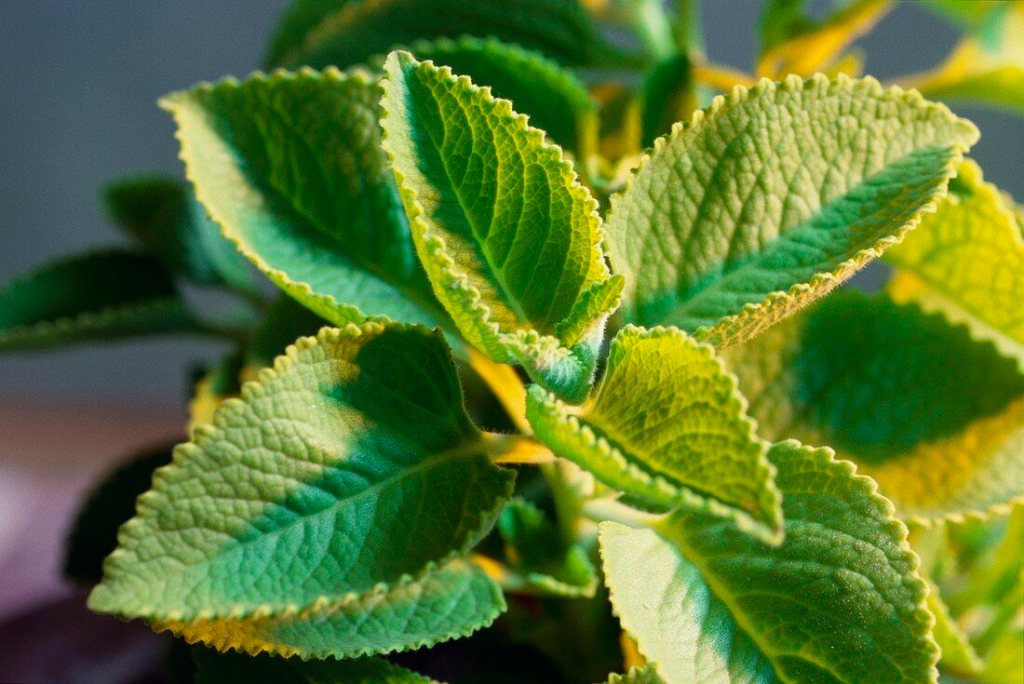
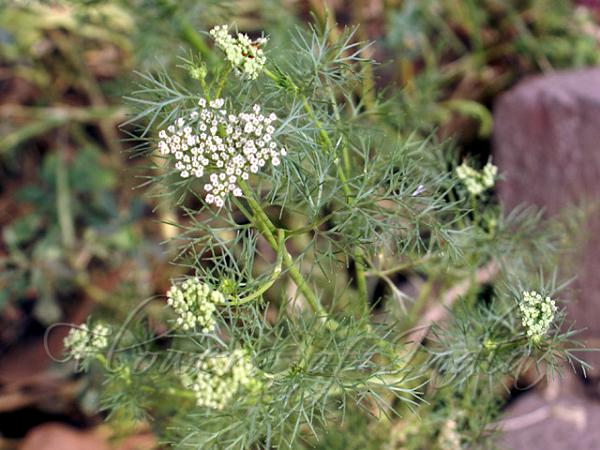
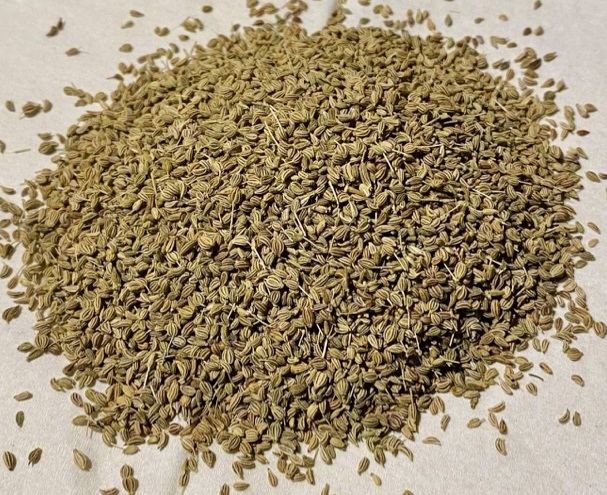
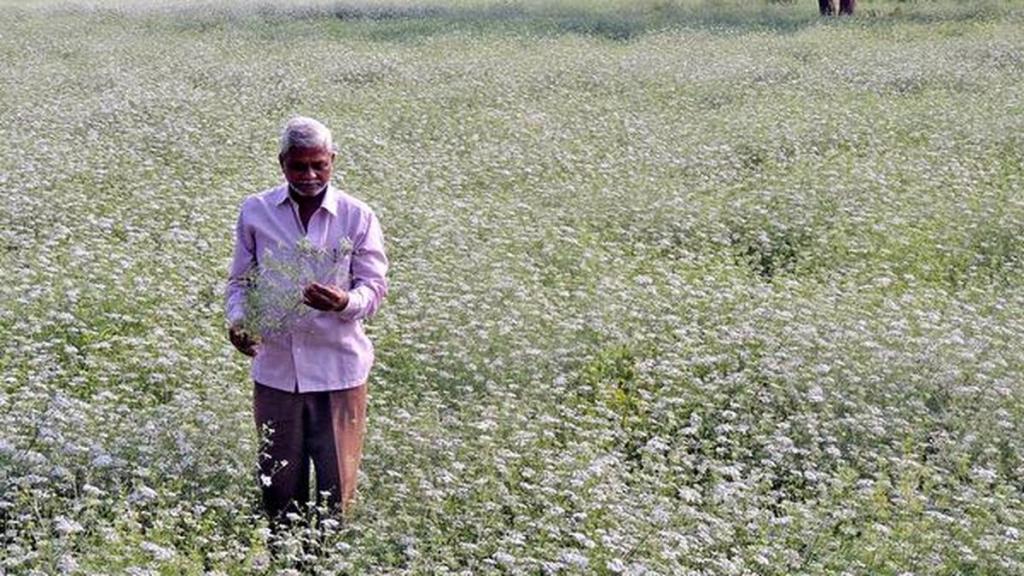
Figure 3: Top left – Ajwain leaves, Top right – Ajwain plant, Bottom left – Ajwain seeds, Bottom right – Ajwain farm in Kalaburgi, India
Looking Ahead
In an era where respiratory diseases continue to challenge global healthcare, revisiting these traditional strategies is both logical and timely. Vapor-based delivery offers a route that is rapid, targeted and non-invasive. By applying scientific rigor to ethnobotanical insights, it becomes possible to recognize that valuable solutions to contemporary health problems are embedded within enduring traditions of medicinal practice.
References:
- Chaure, A.; Houdkova, M.; Antih, J.; Urbanova, K.; Doskocil, I.; Naik, M.L.; Patel, K.S.; Kokoska, L. Validation of Broth Macrodilution Volatilization Method for Testing of Essential Oils in Liquid and Vapor Phase: Chemical Composition, Cytotoxicity, and Antibacterial Effect of Indian Medicinal Plants against Pneumonia-Causing Pathogens. Molecules 2023, 28, 4625. https://doi.org/10.3390/molecules28124625
- Ningthoujam, S.S.; Talukdar, A.D.; Potsangbam, K.S.; Choudhury, M.D. Traditional uses of herbal vapour therapy in Manipur, Northeast India: An ethnobotanical survey. J. Ethnopharmacol. 2013, 147, 136–147. https://doi.org/10.1016/j.jep.2012.12.056
Author bio:
Aishwarya Chaure is a postdoctoral researcher at the Laboratory of Ethnobotany and Ethnopharmacology, Czech University of Life Sciences Prague. Her work focuses on documenting and understanding traditional plant based healthcare practices among tribal communities in central India. Through ethnobotanical fieldwork, she engages with indigenous knowledge systems and medicinal plant use. Her work focuses on traditional inhalation practices using plant-based volatile compounds. She explores their potential as alternative therapies for pneumonia. Her research seeks to connect community held ethnobotanical knowledge with modern analytical approaches, contributing to the preservation of traditional practices and the sustainable exploration of medicinal plants.
If you would like to get in touch with her, you can email her @ chaure@ftz.czu.cz
Open call:
If you would like to contribute an article to the SEB student blog, go ahead and send your plant story to Nishanth Gurav, email: gurav@ftz.czu.cz
Minimum: 500 words, maximum: 2000 words (including pictures) including title and article
 Society for Ethnobotany // Student Blog
Leave a comment