Welcome to the student blog of the Society for Ethnobotany.
This blog is a resource to share research and learn more about people and projects within ethnobotany, economic botany, ethnopharmacology, ethnoecology and more. This blog is maintained by the SEB student committee and is designed for graduate and undergraduate students worldwide. You can find out about submitting a blog here.
Please contact us with any questions or requests for student activities. We are happy to answer any questions about SEB student membership or our individual research.
Have you thought about membership with the SEB?
The advantages of annual membership are:
- Eligibility for grants and travel awards in support of student research and conference attendance.
- Online subscription to Economic Botany, the Society’s quarterly journal.
- Eligibility to submit manuscripts to Economic Botany.
- Invitation and opportunity to present papers at the Annual Meeting and Symposium.
- Biannual Newsletter – Plants and People (in print or electronic delivery).
- Affiliation with colleagues who share your interests. Membership becomes effective as of January 1 of the year in which the application is received.
| Student Membership | $30 |
| Least Developed Country Student Membership | $10 |
Join, Renew or give a Gift Membership Online
Join, Renew or give a Gift Membership by Mail
STUDENT COMMITTEE 2022
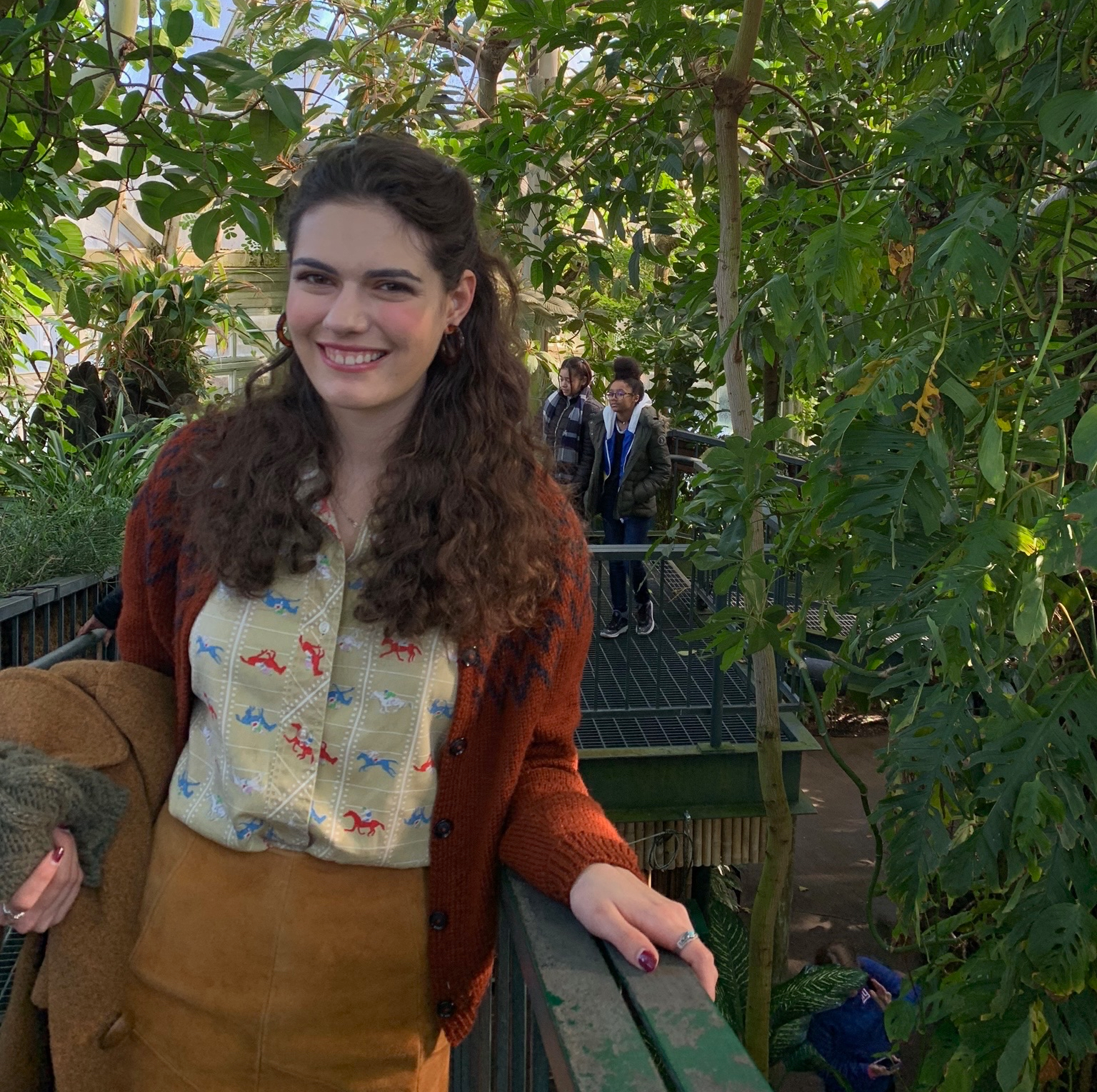
Ella Vardeman
Student Representative to the SEB Council
evardeman@nybg.org
Ella Vardeman is a Ph.D. candidate in the City University of New York and New York Botanical Garden Plant Sciences program under the mentorship of SEB members Dr. Ina Vandebroek and Dr. Edward Kennelly. Her research focuses on the ethnopharmacology of plants used by Haitian immigrants for women’s health. This work will contribute to a cultural competency program currently under development at NYBG that relays the results of urban ethnobotany projects in collaboration with Caribbean and Latino immigrants to medical students and physicians. She has been a member of the Society for Ethnobotany for the past four years and is a recipient of the Garden Club of America Anne S. Chatham Fellowship for Medicinal Plant Research.
Douglas Ochora
Student Representative – Elect
ochoraongeri@gmail.com
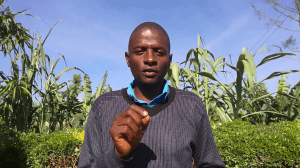
Douglas is a final year Plant Physiology and Biochemistry Ph.D. student at Makerere University, Uganda. He focuses on, plants used as drugs in traditional medicine, natural product research, and drug discovery for tropical diseases especially malaria through, chromatographic and spectroscopic techniques, chemogenomics and drug-repurposing, ex vivo, in vitro, and in vivo approaches. Douglas is also interested in combining efforts with other researchers and mentoring young scientists.
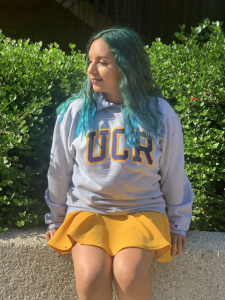
Guadalupe Maldonado Andrade
Graduate Ambassador
Guadalupe Maldonado Andrade is a PhD student in the plant biology department of the University of California – Riverside. Her research investigates medicinal plants in South-central Mexico that are used to induce abortion. Guadalupe has also received and plans trainings for conducting safe at home abortions. Aside from her research she is very dedicated to mentorship and our reach. She currently serves as a mentor for the Planting Science program. This program connects graduate students and other academics with teachers of schools interested in working on plant based experiments. Guadalupe also serves as a mentor for the Chicano link peer mentor program at UC Riverside.
Yu Bai
Student Ambassador
Yu is a graduate student from Minzu University of China, working on ethnobotany of traditional knowledge associated especially with medicinal plants. She is passionate about studying the knowledge and relationship between humans and plants. Yu has fieldwork experiences mainly from traditional landscapes in China.
Nataly O. Allasi Canales
Student Ambassador
allasicanales@gmail.com
@dnataly

Nataly is a PhD student in Evolutionary Genomics at the University of Copenhagen. Part of the MSCA ITN Plant.ID, her project “The fever tree: through the chemical, genomic and archival glass” aims to provide new perspectives on the origin, application, and history of the cinchona tree. She is widely experienced in bioinformatics and molecular laboratory work. Nataly is interested in multidisciplinary research that blends evolution, chemistry, history and traditional knowledge of Indigenous peoples.
Harriet Gendall
Student Ambassador
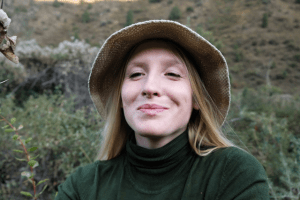
Harriet is a PhD student at the University of Kent and Royal Botanic Gardens, Kew, investigating the opportunities, challenges and complexities surrounding the revival of heritage grains and its impact on social-ecological resilience – grounded in her own experience of attempting to revive “pillas”, a naked-grained oat formerly cultivated in Cornwall (UK). She has previously explored the revitalisation of traditional Andean foods in Peru, working closely with the ‘lost’ root crop “mauka” (Mirabilis expansa) and – more broadly – is interested in how the narratives we form around food, heritage, identity and time, shape both ourselves and the biocultural landscapes we inhabit.
PREVIOUS STUDENT COMMITTEE MEMBERS
Lukaš Pawera (2021)
Student Representative – Elect
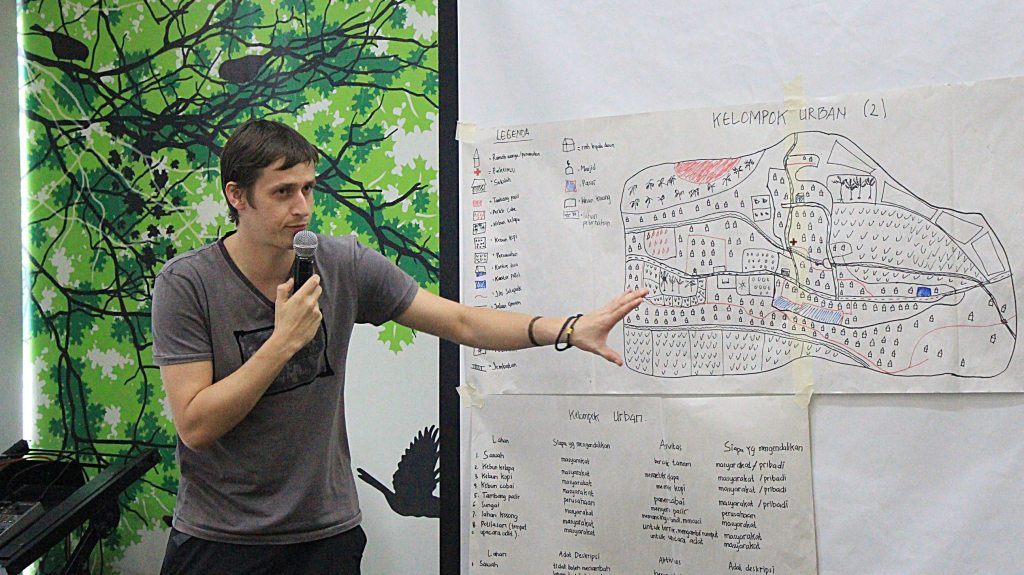
Lukas is an ethnobotanist and multidisciplinary researcher specialized in agrobiodiversity, nutrition-sensitive agriculture and sustainable food systems. He is a Ph.D. candidate at the Czech University of Life Sciences Prague with project linking agrobiodiversity and local knowledge with dietary outcomes of women farmers in rural Indonesia. Lukas is also with the Indigenous Partnership for Agrobiodiversity and Food Sovereignty, where he is mentoring a cadre of indigenous youths to come forward to strengthen their indigenous food systems. Lukas is committed to research-for-development, building capacity of vulnerable ones, leveraging potential of local resources, and aiming for impact on the ground.
Karsten Fatur (2020)
Student Representative to the SEB Council
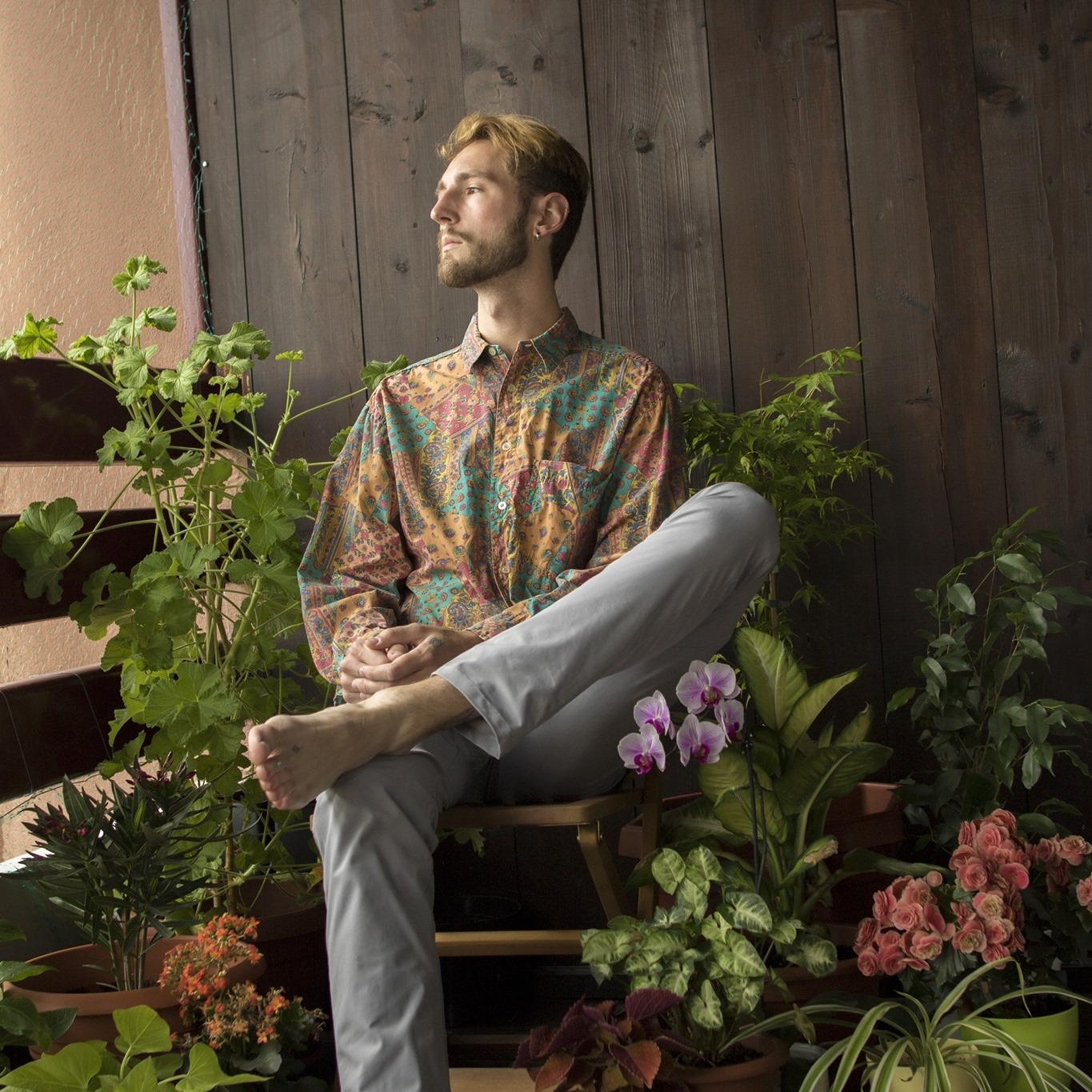
I am a PhD student at the University of Ljubljana whose research focuses on medicinal and hallucinogenic plant usage in Europe, with special focus on the Solanaceae. My interests lie not only in current plant use, but also past traditions as well as ritual, folklore, and worldviews, as well as the various overlapping regions of these concepts.
Ghita Heidt
(Student Committee member, 2016)
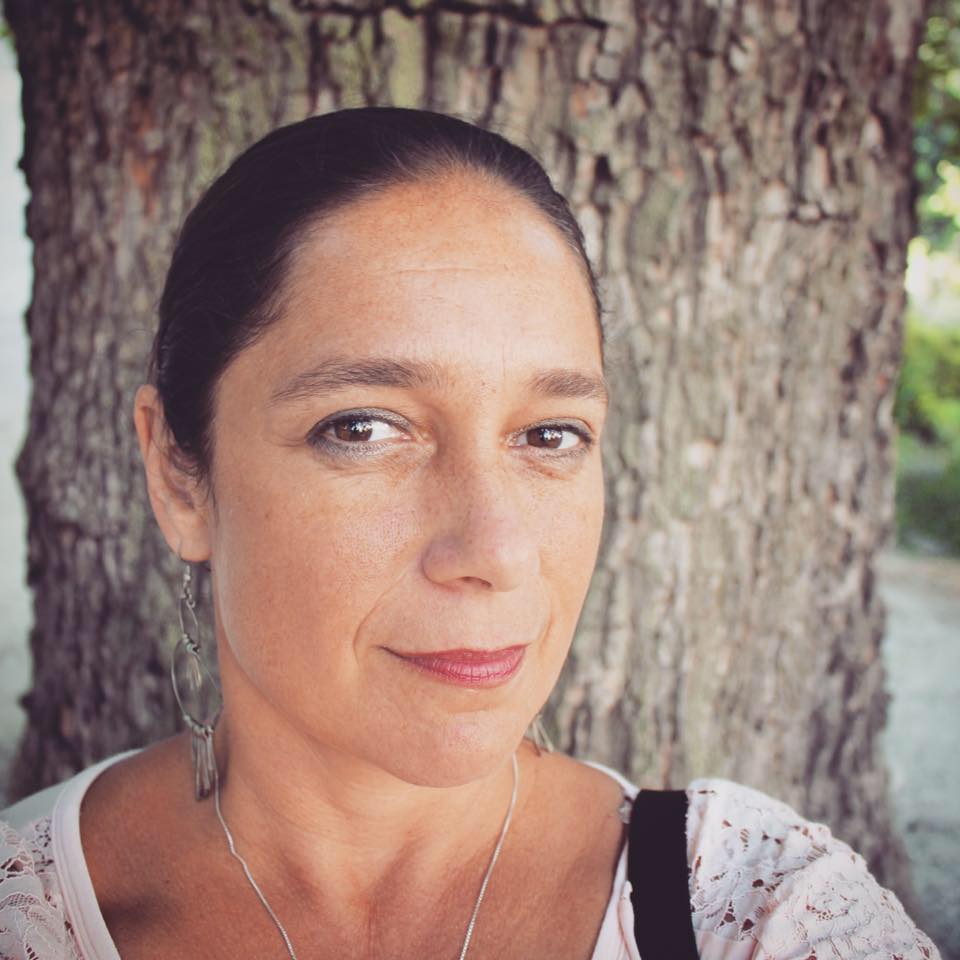
I am not the typical student, I am a single mother and after a long break from university, I have returned to finish my degree at Florida State University in Plant Sciences. I have always been interested in plants and their uses since I was a young girl living in the North and spent most my days exploring the woods behind our house. Now I am an older “girl” living in the south and my love of plants and their uses have stayed with me these many years. I have always been curious about the relationship of plants to people and their varied uses. I find myself interested in the evolution and biogeography of plants, and how plant families are used by differing cultures. Past projects at FSU have been an ethnobotanical study of our native Hypericums and I also did work in the RK Godfrey Herbarium curating specimens donated to FSU by Stetson University. It was exciting to come across many specimens from the early 1800’s collected in Hawaii and elsewhere. Also for the past 7 years I have spent my summers in Spain with forays into Portugal, Italy and France and have enjoyed learning about the plants and their uses in this part of the world. I am thrilled to be associated with the Society for Ethnobotany and make connections with others that have a shared interest in plants and ethnobotany.
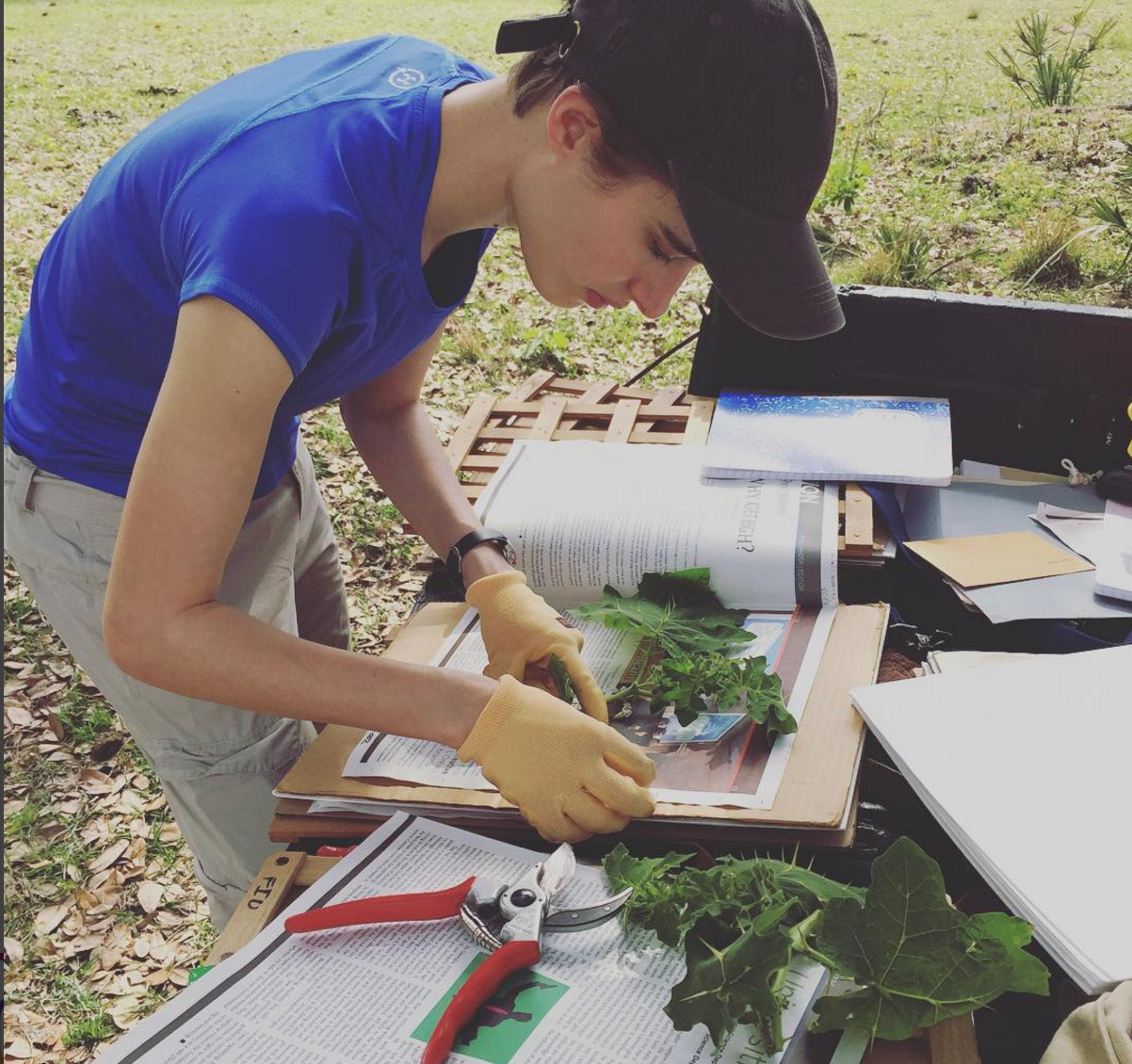
Danielle Nicole Cicka
I am an MD/PhD candidate at Emory University. As an undergraduate at Washington University in St. Louis, I studied biology and political science with coursework in anthropology. As I constructed my academic path and learned from ethnobotanists, I envisioned how to sustainably utilize plant-based therapies to fill the gap in the world’s health care needs. For my PhD research, I hope to incorporate an ethnobotanical approach to drug discovery from natural products in ultimate support of finding novel therapies, supporting local communities, preventing neglected diseases, and providing accessible health care.
Jason Irving
(Student Committee member, 2017-present)
Aja Grande
Student Representative, 2019-2020
(member, 2017-2019)

Aja is a public scholar of civic infrastructures and land ecologies as spaces of subject formation. She is a Ph.D. student at the Massachusetts Institute of Technology in the department of History, Anthropology, Science, Technology & Society (HASTS). Her research looks at emergent forms of living among built environments in twentieth and twenty-first century Hawai’i. Her scholarship embraces writing, documentary filmmaking, and multimedia exhibitions for community engagement.
While completing her B.A. in Science and Society (2018) from Brown University, she founded and ran the Ethnobotany Society at Brown (Spring, 2017) for students to explore the relationship between people and plants in Providence, Rhode Island. Born and raised on the island of O’ahu in Hawai’i, she has been gifted with an obligation to raise awareness about and sustain mindful relations with the ‘āina (that which feeds).



Previous SEB student council members
Matthew Bond
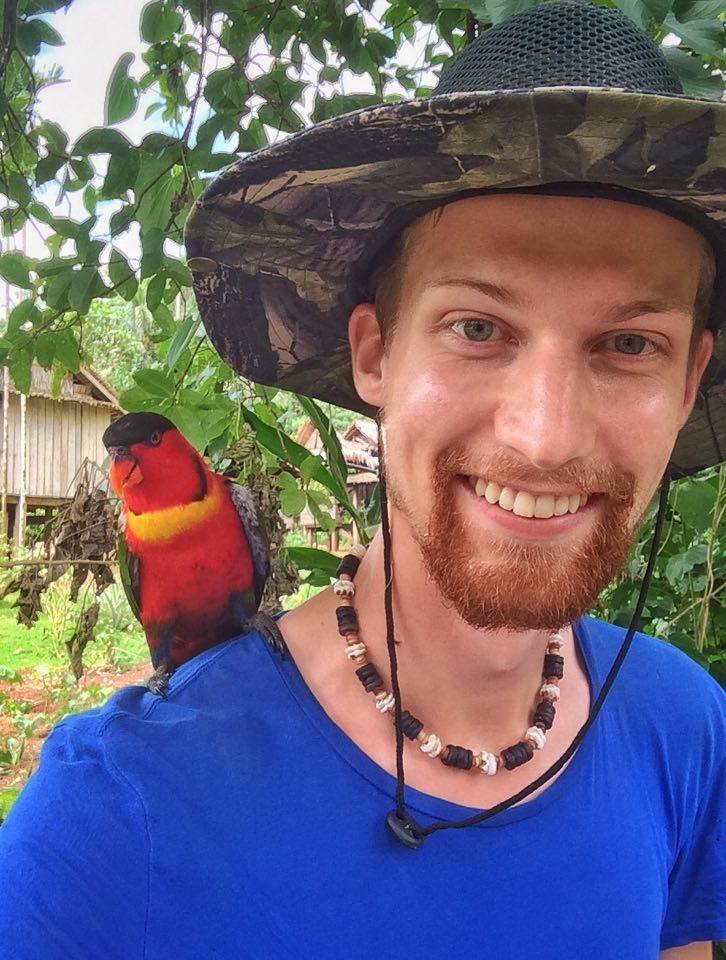
Aloha! I have been dreaming about plants and nature since childhood- around age seven, I started to collect and dissect plants in a manner that was eerily similar to my future university taxonomy and physiology classes. Now I study how plants and people interact at the University of Hawai‘i at Mānoa, where I’m currently a third year PhD student.
Our lives depend on plants- for every five people in the world, three use medicinal plants as their primary source of medicine. I want to know how people choose these medicinal plants- why do people look at their environment and decide to use certain plants for medicine rather than others? My fieldwork in Solomon Islands explores how plants, and humans, and their environments affect one another, and may also help us to develop new medicines. Although I live in Hawai’i now I was born in Canada. As a Cornell University undergraduate, I studied Plant Sciences with a concentration in Plants and Human Health. My research in ecology, ethnobotany, and conservation has taken me to Rapa Nui, New Zealand, Patagonia, Costa Rica, and Dominican Republic. For more information, check out my website and twitter!
Brandon Dale

As an amateur botanist researcher who studied the cultural and scientific aspects of traditional medicine, with a specific focus on the types of herbal therapies that are used to heal, I did not think that there would be any majors that truly captivated all of what I wanted to learn as an undergraduate. However, after taking a biology class during my first semester called “The Botanical Roots of Modern Medicine,” my eyes were opened to an entirely new world of academic pursuits – ethnobotany and pharmacognosy. After being equipped with knowledge of traditional healing systems, traditional botanical knowledge and phytotherapy, I knew that this is what I wanted to study as an undergraduate and beyond into my doctoral degrees.
Wanting more experience within these fields, I began to conduct research involving medicinal plants and reaching out to those who had similar interest, which inevitably lead me to the SEB. Serving on the SEB’s Student Committee would allow me to share my passions for the field of ethnobotany, while creating opportunities for other students to access mentors, internships and SEB resources. As an undergraduate, I feel especially inclined to serving on the SEB Student Committee so that I can reach out to the undergraduate population of ethnobotanist to build a community that promotes academic inquiry and conversations amongst undergraduates interested in ethnobotany.
Gabriela Miranda-Diaz

Gabriela Miranda-Diaz, a Puerto Rican, born and raised in Brooklyn, New York, has been an outspoken advocate for social and environmental equity since childhood. She has presented on these topics at various venues, including Medgar Evers College, CUNY and the American Museum of Natural History. Gabriela has conducted scientific research in Conservation Biology and Food Justice with the American Museum of Natural History and the Mellon Transfer Student Research Program at Brooklyn College. She has worked with the Wildlife Conservation Society as a docent/educator, and more recently, with the Environmental Education Program at Wave Hill Public Garden. Currently, she is pursuing a Bachelor’s degree in Environmental Communications in the CUNY BA program, and serving as co-director for The Environmental Action Lab, a non-profit she established in 2019. She is also working as editorial assistant for a book titled Healing Paradise: A Radically Reimagined Ethnobotany of the Caribbean to be published in 2021 by Dio Publications.
Kim Walker
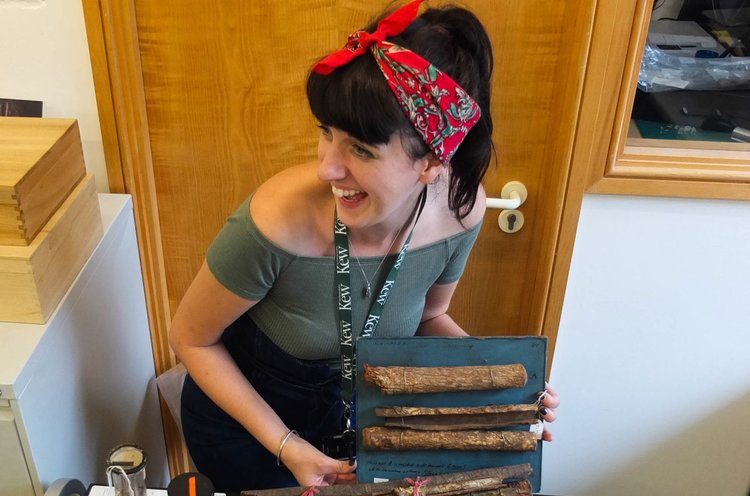
Kim Walker is a PhD student on a Techne AHRC Doctoral Training Partnership between Royal Holloway and the Economic Botany Collection, Royal Botanic Gardens, Kew. Her work focuses on collections based research and the historic development of medicinal plants, with a focus on Cinchona. She is based in London, UK. www.kimwalkerresearch.co.uk
Sandra Bogdanova

I hold a BA in Archaeology from Vilnius University and a MA degree in Indigenous studies from UiT the Arctic University of Norway. Over the years, I have been working on projects in Norway, Finland, Lithuania, China and India that use community based research approach, combine environmental education, local plant knowledge and heritage food. My interest in the field of applied ethnobotany is growing through my passions – ancient, historic and current cultural uses of famine food (e.g. tree bark), experimental archaeology and beekeeping. Currently, I am enrolled in a Master Herbalist course and working as a natural remedies advisor in London, the UK. I am an independent scholar, a practitioner and a member of British Beekeepers Association (BBKA). I also work as an engage and learning volunteer at Horniman Museum and Gardens and for the Carshalton Lavender non-profit community project. I hope everything our SEB Student Committee will do this year with the help of ethnobotany will create long and enduring relationship with the Society and inspire people.
Alex O’Neill
Alex graduated Magna cum Laude from Georgetown University where he earned a BSc in Environmental Biology and BA in Anthropology. A Washington, D.C. native, Alex’s academic interests include conservation science, historical ecology, and environmental policy. As a Fulbright-Nehru Research Scholar, he conducted independent research into wetland transformation in the Eastern Himalaya, and used oral narratives to buttress nascent spring renewal programs in Sikkim. Alex plans to pursue a MESc at the Yale School of Forestry and Environmental Studies, and is currently working at the International Union for Conservation of Nature (IUCN) Biodiversity Assessment Unit.
Cory Whitney
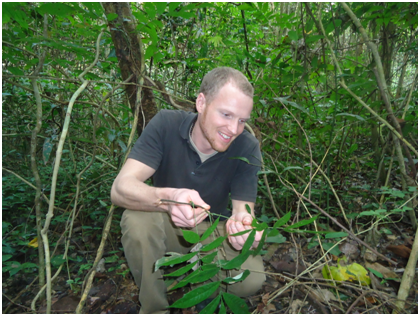
Student committee member Cory W. Whitney is a PhD Candidate at University of Kassel, Witzenhausen, Faculty of Organic Agricultural Sciences and Scientific Staff at the Rhine-Waal University of Applied Sciences in Kleve, Germany. He is a human ecologist, ethnobotanist, and organic agronomist with more than ten years experience in nonprofits, environmental educational organizations, and research institutions. Cory is interested in supporting and strengthening sustainable practices through education, development, and participatory research; seeking solutions to the interconnected issues of loss of biodiversity, loss of traditional culture, and food insecurity.
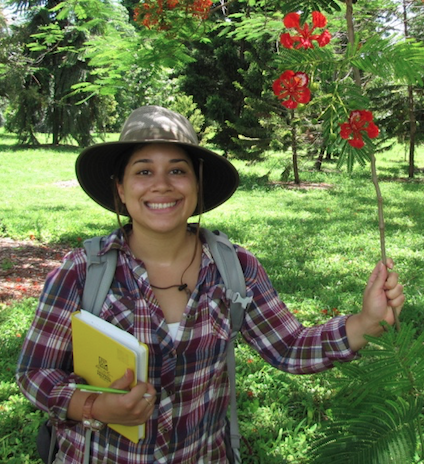
Betsabe D. Castro-Escobar
As a native Puerto Rican, I grew up in a tropical island and Caribbean gem that houses a magnificent variety of ecosystems, biodiversity, natural wonders, and peoples. My interest for people and plants started around the time I helped my grandparents harvest & prepare traditional herbal remedies for our family. Beyond my childhood interest in natural and human systems, my growing curiosity motivated me to pursue a bachelor’s in Integrative Biology at the University of Puerto Rico, followed by a master’s in Cultural Anthropology at the University of Missouri. I also have several years of experience working in herbarium collections, as a field biologist, and even an eco-tourism guide. Currently, I am pursuing a PhD in Integrative Biology at the University of California, Berkeley. Given my interdisciplinary interests, my main adviser (Dr. Paul Fine) is a tropical botanist/ecologist and my co-adviser (Dr. Thomas Carlson) is an ethnobotanist.
My primary focuses are ethnobotany, ecology, and evolution of plants of cultural/ethnobotanical significance in the Caribbean Basin. I am especially interested in how humans can promote evolutionary responses to culturally significant plants (ex. edible, medicinal, and others), how they vary phenotypically, how plastic can they be, where did these plants originate or came from, and how have they moved around and across islands in the Caribbean. By applying mixed methods, my efforts as an interdisciplinary scientist have also sparked an interest for understanding mechanisms that drive biocultural loss through studying the relationships between people and their environments, as well as how to best preserve traditional botanical and ecological knowledge.
James Conner

I am a second year medical student at Lincoln Memorial University. I did my undergraduate at the University of Tennessee in Chattanooga, where I studied Biology and Chemistry with a minor in Spanish.
My first interest in Ethnobotoany was when I took an undergraduate mycology class and I got interested in the medicinal properties of mushrooms. When I got to medical school I actually got to start research on those properties and we looked at how alpha Amanitin causes apoptosis in Nematodes. Currently, we are writing a grant to do research on the Amatoxins with human cancer cells. I hope to keep researching the medicinal effects that plants can give us.
Anna Elise Stratton
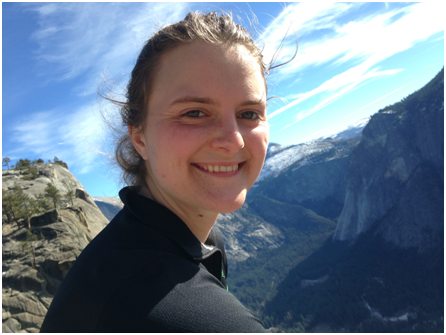
I am a Biology and Food Systems (Environmental Studies) undergraduate student at Tufts University in the Boston area. My real passion lies in ethnobotany, however, and I am thrilled to have discovered the SEB student page and committee this year.
Since my freshman year of college, when I began working with Dr. Selena Ahmed (now at Montana State University) on her tea agroecosystems project, I have been enthralled by the plants-and-people relationships that make up ethnobotanical research. Following that spark, I have conducted two independent field-based research projects, the first on seed-saving practices among the Mapuche in southern Chile and the second on plant biodiversity and agroecosystem vitality in eastern Guatemala. My methods in the more recent project involved interviews with (Guatemalan) Q’eqchi’ Maya farmers and maize grain collections for protein analyses. These dual methods illustrate my blossoming interest in finding ways to tell both plants’ and peoples’ stories about agroecosystem changes.
Kris Dimnik

After farming organic vegetables and fruits for five years across Canada, I worked as the head gardener at one of Canada’s National Historic Sites. Research for my job led me to the fascinating world of historic gardens and more specifically walled kitchen gardens. It was through my passion for walled kitchen gardens that I discovered Ethnobotany. I realized that Ethnobotany was the perfect fit for me and so in January 2016, I took a leap and started an undergraduate degree in Biology and Anthropology as a mature student at Trent University in Peterborough Ontario Canada. Trent has a strong Indigenous studies program and I hope that I will be able to learn about medical plants from the Elders while I am here. I am fascinated by many topics related to plants and people but ultimately my goal is to work with and research Cacti in the desert.
 Society for Ethnobotany // Student Blog